Android workflows, reviewed.
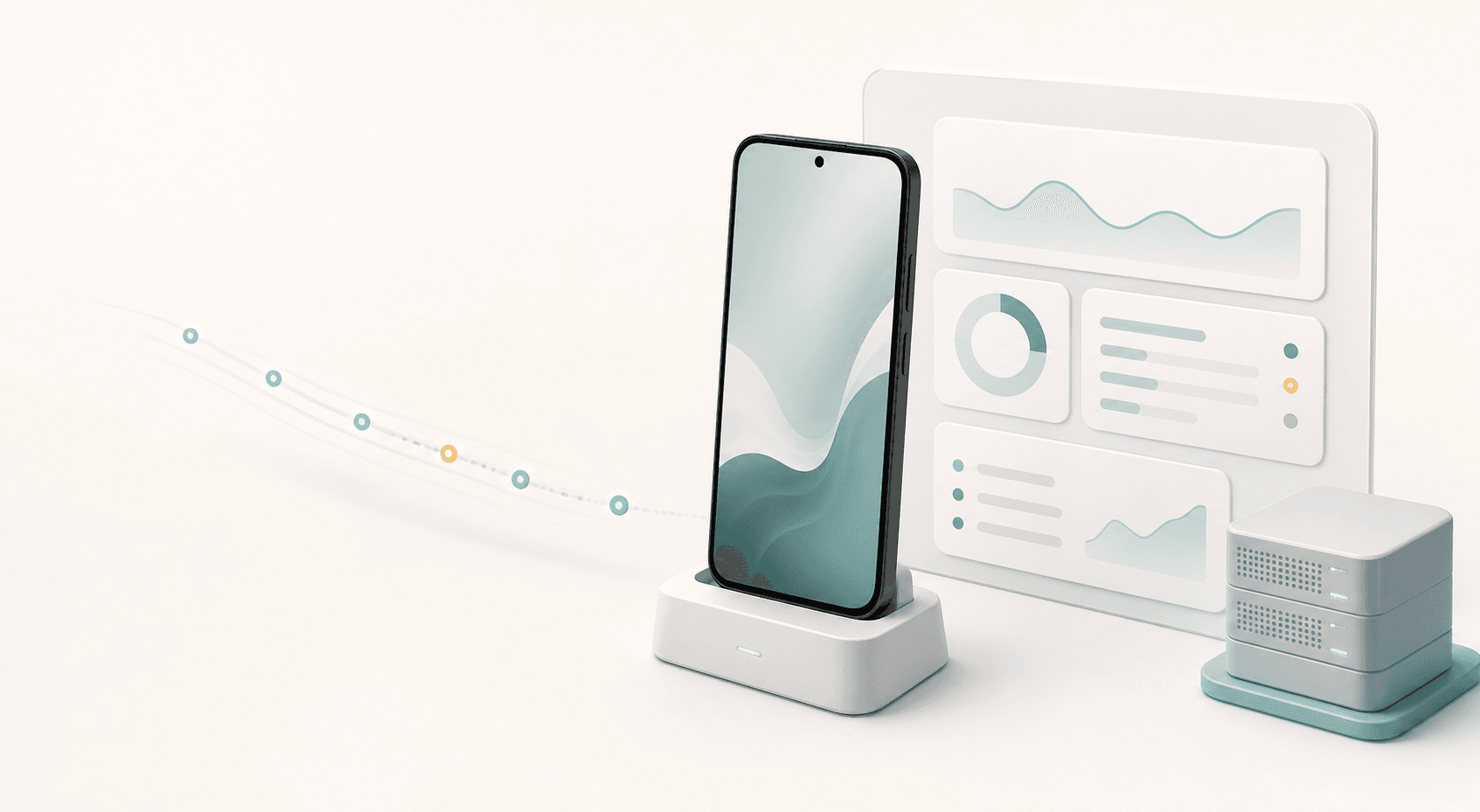
Run agents on real devices. Replay every step.
Real devices
Start locally, then move proven workflows to hosted capacity.
Replay
Keep screenshots, events, and device state with every run.
Guardrails
Place approvals around sensitive workflow steps.
Cost per result
Track the cost of each completed workflow.
Platform
A clear control system for mobile work.
Queue mobile work, inspect what happened, and recover when devices or apps misbehave.
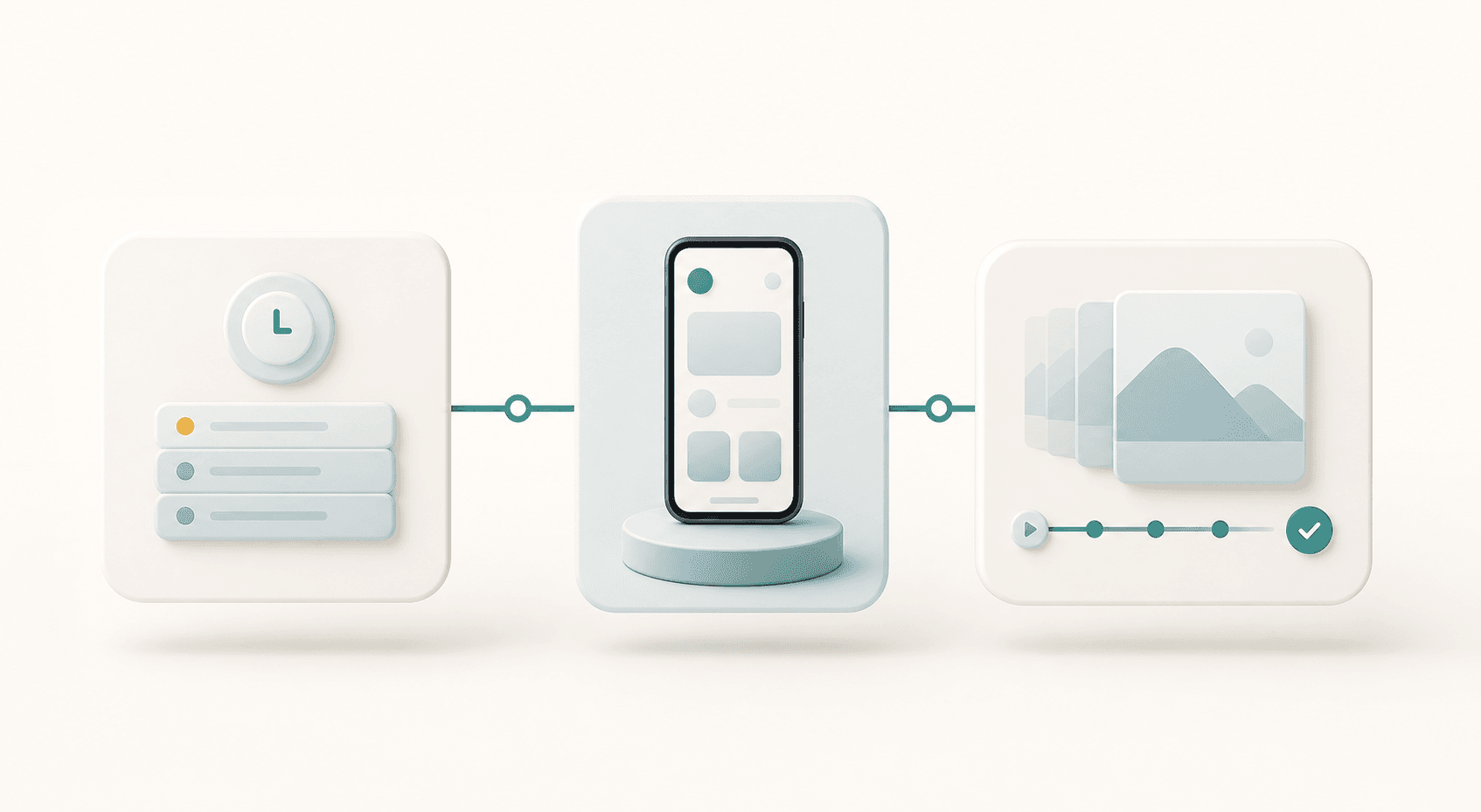
Queue work, assign it to a device, run the steps, and return a clear result.
Keep screenshots, UI state, logs, and artifacts attached to the task.
Retry, refresh, restart the app or device, and pause unhealthy devices.
See successful-run cost so workflows can be improved, priced, or stopped.
Every mobile run should leave a trail: what happened, what changed, what failed, and what it cost.
Less mystery. More evidence.
Architecture
Built on our own stack.
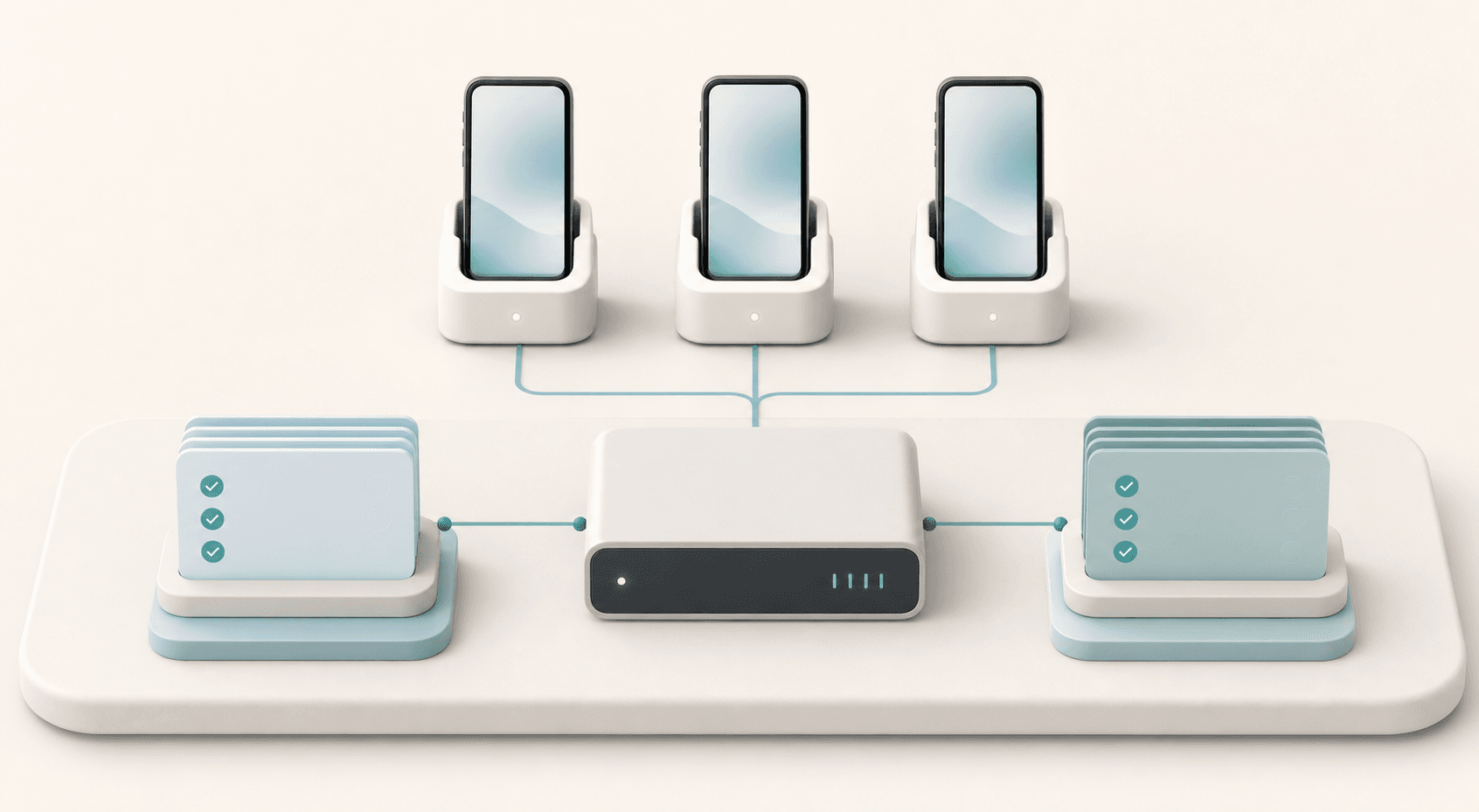
MobileRunner has its own console, device runner, typed contracts, and run history. Competitors are useful benchmarks, not the foundation of the product.
Console
A live view of tasks, devices, replays, and fleet health.
Device runner
A local Android runner that talks to devices through ADB.
Typed contracts
Shared definitions for devices, tasks, observations, policies, and events.
History
Stored records for tasks, device assignments, observations, and artifacts.
Benchmark
Benchmark the whole run, not just the final answer.
AndroidWorld is one score. A production system also needs replay completeness, recovery success, device health, and cost per completed task.
91.4%
Reproduce the AndroidWorld score under pinned app versions and retained traces.
per app
Track pass rate, action latency, recovery, replay completeness, and cost.
24/7
Measure uptime, exclusive device assignment, recovery success, and unhealthy-device handling.
Plans
Start local. Scale when the runs are real.
Use a local runner to validate workflows, pooled capacity for repeat work, and private devices when accounts, location, or hardware ownership matter.
Market reference
| Unit | Price | Credits |
|---|---|---|
BYO physical phone Customer supplies the device | $5/mo | 250 credits |
Dedicated virtual phone Persistent virtual Android | $50/mo | 2,500 credits |
Hosted physical phone Dedicated real device | $150/mo | 5,000 credits |
We should not copy this model and simply charge less. MobileRunner can be cheaper when customers buy run capacity instead of idle dedicated phones.
Pay for
successful runs and device minutes
Lower idle cost
shared capacity before reservations
Still enterprise ready
replay, guardrails, audit, recovery
Local setup helps teams validate quickly. Pooled runs reduce idle device cost. Private deployments let customers keep their own phones, accounts, networks, and regions.
Local setup
Free
BYO phone or emulator
- Local ADB edge agent
- Safe Android smoke test
- Local artifacts by default
- Reproducible setup for technical buyers
Shared capacity
$19
planned starter
- Shared Android run pool
- Ephemeral profiles
- Recent replay included
- Overage by successful run or device-minute
Private devices
Custom
per edge node + active device
- Customer-owned phones and SIMs
- Outbound-only edge nodes
- Replay, retention, and audit exports
- Lower cost than hosted physical inventory
mobilerunner.app + mobilerunner.org
A simple front door, with the console one click away.
Use the website to understand the platform. Use the console to inspect real runs.
Primary domain
mobilerunner.app
Org mirror
mobilerunner.org
Why it matters
review, replay, recovery